Skip to content
A serious accident can change your life in seconds, but the phone call that comes next can shape your financial recovery. You may still be in pain, trying to get your car repaired, worried about work, or helping a loved one through a hospital stay when an insurance adjuster calls and sounds calm, polite, and helpful. That moment matters.
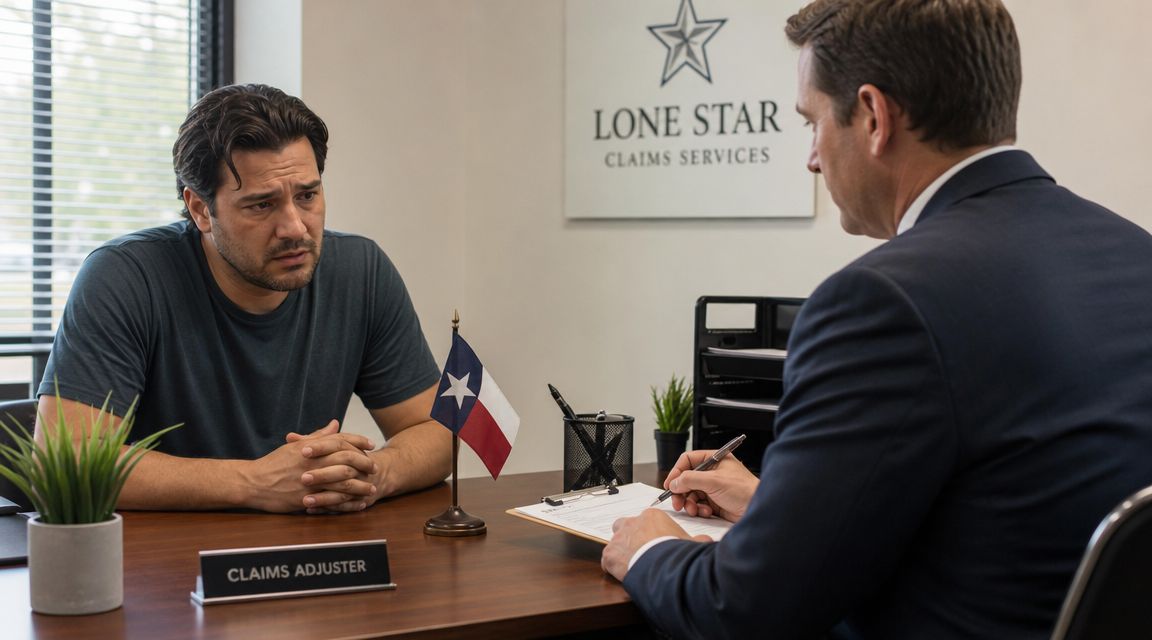
About what not to say to insurance adjuster Texas, start with this truth. The adjuster works for the insurance company paying the claim and reviews what happened to estimate payment, according to the Texas Department of Insurance guidance on working with an adjuster. This is not a neutral conversation. It's a claim evaluation.
Your words can affect fault, settlement value, and how the insurer frames your case from day one. That's especially important after a Houston freeway crash, a Dallas truck wreck, an Austin rideshare collision, or a San Antonio intersection crash where facts are still developing.
You don't need a perfect speech. You need a safe one. Give only basic facts, avoid opinions, and don't let a rushed call lock you into damaging statements before the evidence is clear. If you've dealt with property damage before, some of the same communication principles show up in these public adjuster insights on water claims.
1. Avoid Admitting Fault or Apologizing for the Accident
The adjuster calls while you are still rattled, and the easiest thing to say is, “I'm sorry,” or “I didn't see them.” Do not say it. In Texas, a polite apology can be treated like a fault admission, and that can cost you real money.
Texas follows modified comparative negligence rules. Under Texas Civil Practice and Remedies Code Chapter 33, as explained in this Texas claim-protection guide, you can still recover damages only if you are 50% or less responsible. If the insurer pushes your share of fault to 51% or more, your recovery is barred. That is why casual phrases like “I may have caused it” or “I should have reacted faster” are so dangerous.
What to say instead
Keep your wording short, factual, and neutral. Your job is not to explain fault on that first call. Your job is to avoid giving the insurer language it can use against you.
Use lines like these:
- About the crash: “The collision happened at the intersection of Westheimer and Sage.”
- About what you observed: “My vehicle was struck, and police came to the scene.”
- About fault: “I'm not making any statement about fault.”
- About details you do not know yet: “I'm not able to estimate speed, distance, or timing.”
Practical rule: Stick to observable facts. Skip apologies. Skip blame. Skip theories.
A Houston rear-end claim is a good example. A driver says, “I may have stopped too suddenly,” trying to sound fair. The adjuster writes down an admission. Later, skid marks, traffic camera footage, or witness statements may show the other driver was following too closely. The safer move is simple. State where the crash happened and that the investigation is still ongoing.
If the adjuster keeps pressing, end the conversation politely and get prepared first. Read how to deal with insurance adjusters after a Texas accident before giving a detailed account.
Why this rule protects your claim
Early fault statements cause damage in multi-car pileups, intersection crashes, truck wrecks, and wrongful death cases where the full story takes time to develop. Families and injured drivers often want to sound cooperative. Be courteous, but do not volunteer fault language.
This principle is especially important in serious injury and wrongful death claims. Once an insurer tags your statement as an admission, it may use that position to cut the value of the case or deny it outright. Let the evidence do the talking. You do not need to defend yourself on the first phone call.
2. Never Speculate, Guess, or Misrepresent Your Injuries
You get the call a day or two after the wreck. The adjuster sounds friendly and asks a simple question: “How are you feeling?” That question is not casual. If you answer with a guess, you can hand the insurer a line it will use against you for the rest of the claim.
Texas cases turn on proof. If you say, “I'm probably fine,” “It's just soreness,” or “I think it's a sprain,” before a doctor has finished evaluating you, the adjuster may later argue your treatment was unnecessary or unrelated to the crash. That argument becomes even more dangerous if fault is disputed under Texas comparative fault rules, because insurers look for every opening to reduce what they owe.
Keep your medical description narrow
After an Austin side-impact crash, a driver may tell the adjuster, “My shoulder is no big deal.” A week later, imaging shows a more serious injury, the doctor imposes work restrictions, and physical therapy starts. Now the insurance file contains an early statement that minimizes the injury.
Use safer, tighter language instead:
- For symptoms: “I'm still being evaluated.”
- For diagnosis: “I'm waiting on my doctors to determine that.”
- For limitations: “I'm in pain and following medical advice.”
- If they press for details: “I don't want to guess about my condition.”
Say only what has been diagnosed, what treatment you've received, and what symptoms you're experiencing.
Do not chase certainty you do not have. Do not downplay your pain to sound tough. Do not exaggerate to sound serious. Both mistakes hurt you.
This point comes up in car, motorcycle, pedestrian, rideshare, and commercial vehicle cases. After a major crash on I-10 near Houston, it is common for neck pain, back pain, headaches, or shoulder problems to get worse after the initial shock wears off. Your job is simple. Be accurate, brief, and consistent with your medical care.
Texas negligence law requires evidence connecting the collision to your injuries. Speculation gives the insurer room to argue that connection is weak. Precise language protects your credibility and gives your medical records room to tell the full story. If the adjuster keeps pushing for opinions or predictions, that is a good time to read about when to hire a Texas personal injury lawyer.
3. Don't Give a Recorded Statement Without Legal Counsel
This is one of the biggest traps in Texas claims. An adjuster may say the recorded statement is routine, standard, or needed to move the file forward. You are generally not required to provide a recorded statement to the adjuster just because they ask, and you don't need to give one before you understand the scope of your claim, as explained in this Texas guidance on what not to say to an insurance adjuster.

A recorded statement gives the insurer a fixed piece of evidence it can replay, transcribe, and compare against later records. If you misspeak about timing, injuries, road conditions, or what you remember, the insurer may call that an inconsistency.
A safe script to use
After a San Antonio crash, you may get a call while you're picking up prescriptions or sitting in a repair shop. Don't let urgency push you into a recorded interview.
Use one of these:
- If you don't have a lawyer yet: “I'm not providing a recorded statement at this time. I need legal advice first.”
- If you have counsel: “I'm represented. Please direct future communication to my attorney.”
- If they push: “Please send your questions in writing.”
If you're unsure when to get legal help, this guide on when to hire a personal injury lawyer in Texas can help you decide quickly.
Why adjusters want this so early
Recorded statements are most dangerous when given before medical treatment is underway or before you know all the facts. A person in pain may say “I'm fine.” Someone on medication may answer carelessly. Someone trying to help may estimate speed or distance and get it wrong.
Here's a short explanation that may help before your next call.
In Texas personal injury cases, timing matters. So does the statute of limitations. You generally have a limited period to file suit, but that doesn't mean you should rush into a recorded statement before your case is understood. Slow down. Protect the record.
4. Avoid Discussing Pre-Existing Conditions Unprompted
A Dallas adjuster asks, “Have you ever had back problems before?” That question is not casual. It is an opening to argue your pain started before the crash, or that the wreck only caused a minor flare-up.
Tell the truth. Keep it tight. In Texas, the insurance company will look for any fact it can use to shift blame, reduce damages, or argue your current symptoms were already there. That matters even more under Texas comparative fault rules, where insurers look for every angle to cut what they pay. You do not help yourself by volunteering old injuries, unrelated treatment, or a long medical history the adjuster did not ask for.
This outside discussion of what to know before speaking to an insurance adjuster explains why broad questions deserve careful answers.
Stay focused on the injuries at issue
After a Fort Worth truck crash, an injured driver may blurt out, “I had back trouble years ago.” Now the adjuster has a storyline. Expect them to argue the crash did not cause your current limits, treatment, or pain.
A better response is controlled and accurate:
- If asked directly: “I've had prior treatment before, but this crash caused new symptoms and worsened my condition.”
- If asked for records: “I want any medical authorization reviewed before I sign it.”
- If you don't know the details: “I'd like to answer that after reviewing my records.”
A pre-existing condition does not let the at-fault driver off the hook for making it worse.
Watch for broad authorizations
A common pitfall arises when the adjuster sends a medical release that reaches far beyond the body parts, providers, and dates tied to the crash. If you sign it without review, the insurer may dig through years of records and pull out details that distract from what this wreck did to you.
Keep the conversation narrow. Let your doctors document what changed after the crash. Let your lawyer explain aggravation damages and challenge attempts to blame everything on your past.
If settlement talks start before the medical picture is clear, review a practical guide on negotiating a Texas personal injury settlement. The same rule applies here. Share what is necessary, not everything you know.
5. Never Accept the First Settlement Offer or Reveal Financial Hardship
The call often comes at the worst time. You are missing work, medical bills are stacking up, and the adjuster sounds helpful. Then they make a quick offer and ask whether you need the money right away. That is not small talk. It is a pressure test.
In Texas, settlement value can drop fast if the insurer finds a way to minimize your injuries or shift part of the blame onto you. If you sound desperate, they know you are more likely to accept less than the claim is worth. Keep your financial stress private. Your rent, credit cards, and overdue car note are not claim facts.

What to say when they make an offer
After a Houston freeway crash, an adjuster may try to lock in a number before your damages are fully documented. Do not argue about the amount on the phone. Do not justify why you need more. Slow the conversation down and give yourself room to evaluate the claim properly.
Use these scripts:
- For a first offer: “I'm not accepting any settlement at this stage.”
- If they push for an immediate answer: “I need to review the offer after I have more information about my damages.”
- If they ask whether you need money now: “My finances are private. I'm only discussing the claim.”
- If they ask what amount you would take: “I'm not putting a number on the case today.”
If you want a clearer picture of timing, documentation, and bargaining strategy, read this guide on how to negotiate a personal injury settlement in Texas.
Why this mistake costs people real money
A release usually ends the case. Once you sign and take the check, you usually cannot come back later and demand more because treatment lasted longer, pain got worse, or time off work increased.
The first offer is often built for the insurer's advantage, not your recovery. It may ignore future medical care, reduced earning capacity, flare-ups, and the full effect the crash has had on your daily life. In a Texas case, that matters. If the insurer is already looking for ways to argue comparative fault, accepting a rushed number can leave you stuck with a discount on a claim that was never fully valued.
Here is the rule I give clients. Do not discuss your financial pressure, and do not accept an early offer until someone has measured the case, not just the first bill that came in.
6. Don't Agree to a Quick Settlement Before You Know the Full Extent of Your Injuries
Three days after a Texas crash, the adjuster calls with a check. You are sore, missing work, and tired of dealing with the claim. The offer sounds tempting. Signing that release that early is a mistake.
A fast settlement protects the insurance company from what your doctors may find next. Soft-tissue injuries, concussions, nerve symptoms, and back injuries often get clearer with time, follow-up visits, and imaging. Once you settle, you usually cannot reopen the claim because your pain lasted longer, treatment expanded, or a more serious diagnosis showed up later.
Early statements matter too. If you tell the adjuster you are "fine" or say your injuries are minor, that language can be used later to argue you exaggerated your condition. Keep your answer simple and accurate while your medical picture is still developing. Guidance like this Texas blog on what not to say to an insurance adjuster after a crash explains why those casual comments cause real damage.
Wait until your treatment tells the truth
After an Austin T-bone wreck, a client may feel sore and shaken, then learn weeks later that the crash caused a disc injury or a concussion. If that client already signed a release, the insurer keeps the discount and the client keeps the risk.
Say this instead:
- If asked about recovery: “I'm still treating and I don't know the full extent of my injuries yet.”
- If asked to settle now: “I won't discuss settlement until my treatment is further along.”
- If asked whether you're okay: “I'm still under evaluation.”
- If pressured to take the check: “I'm not signing anything until I understand my injuries and damages.”
That answer does two jobs. It protects your credibility, and it stops the adjuster from locking in a low number before the evidence is ready.
Why this matters in a Texas claim
A fair settlement should account for more than the first urgent care bill. It should reflect lost wages, future treatment, pain, physical limitations, and how the injury affects your daily life. In a serious case, those categories can grow, not shrink, as treatment continues.
Texas also uses comparative fault rules. If the insurer argues you were partly responsible, it will already be looking for ways to cut the value of your claim. If you also minimized your injuries early, the adjuster gets two arguments instead of one. Do not hand them that advantage. Let the medicine develop first, then value the case based on the facts.
7. Avoid Discussing Your Attorney or Legal Strategy with the Adjuster
The tone of the claim changes once you hire counsel. At that point, the adjuster is no longer calling for background. They are trying to find out how your side plans to prove fault, value damages, and pressure the insurer. Do not help them.
Keep your lawyer's advice private. Keep your settlement range private. Keep your filing plans private. In Texas, that matters even more when fault is disputed, because the insurer is always looking for facts and statements it can use to shift blame onto you and reduce what it pays.
Give one firm response
After a Dallas truck crash, an adjuster may ask, “What did your attorney say about liability?” or “Are you going to sue?” Those are strategic questions. Treat them that way.
Use a short script and stop there:
- If you have a lawyer: “I'm represented by counsel. Please contact my attorney.”
- If asked what your lawyer advised: “I'm not discussing legal advice.”
- If asked about settlement plans or a lawsuit: “My attorney will handle that.”
- If the adjuster keeps pushing: “I've given you my answer. Please speak with my lawyer.”
“I need to check with my attorney” is also a complete answer.
Why this protects your case
Attorney-client communications are private for a reason. Once you start repeating your lawyer's opinions, your target number, or your litigation timeline, you give the insurer a preview of your playbook. That helps the adjuster shape its response before your evidence is fully presented.
This section is different from refusing a recorded statement or waiting to settle. Here, the goal is narrower and just as important. Do not reveal how your side plans to prove the case. Let your lawyer decide when to show medical records, witness statements, expert opinions, and demand figures.
That protects privilege. It also protects your negotiating position.
This rule matters in any serious claim, including trucking crashes, UM/UIM disputes, and wrongful death cases. If you hired a lawyer, use that protection. Tell the adjuster where communications belong, then step out of the middle.
7 Things Not to Say to a Texas Insurance Adjuster
| Item | 🔄 Implementation complexity | Resource requirements ⚡ | 📊 Expected outcomes (⭐) | Ideal use cases | 💡 Key tips |
|---|---|---|---|---|---|
| Avoid admitting fault or apologizing for the accident | Low–Moderate, simple behavioral restraint, needs practice | Minimal, awareness and occasional attorney coaching | Prevents self-incrimination and reduced compensation, ⭐⭐⭐⭐ | Immediate interactions with adjusters, at-scene conversations, early claim calls | Use neutral phrasing (“The accident occurred”); assume conversations are recorded; let your attorney speak |
| Never speculate, guess, or misrepresent your injuries | Moderate, requires discipline and consistent reporting | Moderate, accurate medical records, journals, possibly expert evaluations | Preserves credibility and claim value; reduces fraud risk, ⭐⭐⭐⭐ | All communications (social media, interviews, medical statements) throughout claim lifecycle | Stick to diagnosed conditions, keep a daily limitations journal, make social media private |
| Don't give a recorded statement without legal counsel | Low, firm refusal is straightforward but must be consistent | Low, prompt access to an attorney or a prepared script | Avoids being locked into inconsistent or damaging statements, ⭐⭐⭐⭐ | When an adjuster requests a recorded statement early in the claim | Use a script: decline and direct all communication to your attorney; request written communications |
| Avoid discussing pre-existing conditions unprompted | Moderate, balance honesty with strategic restraint | Moderate, attorney coordination and controlled medical disclosures | Protects against devaluation of claim; allows attorney to contextualize aggravation, ⭐⭐⭐ | When asked about medical history, during initial interviews or authorizations | If asked, answer briefly and honestly; let your attorney frame how aggravation is compensable |
| Never accept the first settlement offer or reveal financial hardship | Moderate, requires negotiation patience and strategy | Moderate–High, attorney negotiation, time for medical evaluation | Prevents lowball settlements and preserves full recovery potential, ⭐⭐⭐⭐ | Settlement negotiations, when adjuster presents initial offers | Do not disclose financial distress; thank and defer to attorney; never sign on the spot |
| Don't agree to a quick settlement before knowing full extent of injuries | Moderate, requires waiting for medical MMI and complete records | Moderate, ongoing medical care and attorney analysis | Ensures future medical needs and losses are covered; reduces risk of future shortfall, ⭐⭐⭐⭐ | Cases with potential delayed symptoms (TBI, spinal injuries, soft-tissue) | Wait for Maximum Medical Improvement (MMI); follow treatment and consult your attorney before settling |
| Avoid discussing your attorney or legal strategy with the adjuster | Low, simple rule to keep counsel as sole contact | Low, having an attorney is sufficient | Preserves attorney-client privilege and negotiation leverage, ⭐⭐⭐⭐ | After hiring counsel and during all substantive communications | Say: “I am represented by counsel, please direct communications to [Attorney].” Do not disclose legal advice or strategy |
You Don't Have to Face the Insurance Company Alone
The call usually sounds harmless. An adjuster speaks calmly, asks for "your side," and acts like a quick conversation will help move things along. Then one careless sentence gets used to cut your claim, question your injuries, or shift part of the blame onto you under Texas comparative fault rules.
That is why this conversation matters.
By the time this section begins, you already know the seven phrases and mistakes to avoid. Now focus on the practical takeaway. You do not need to handle this process by yourself, and you should not. Insurance adjusters do this every day. You are trying to recover, keep your job, pay bills, and make sense of what happened.
A lawyer changes the pressure immediately. Once counsel steps in, the adjuster stops getting unscripted access to you. Your attorney can control what is shared, when it is shared, and how it is framed under Texas law. That matters if fault is disputed, if your symptoms developed over time, or if the insurer is trying to box you into a story before your medical treatment is complete.
Here is the safer approach. If an adjuster calls before you have legal help, keep it short: "I am not giving a recorded statement. I am still receiving medical care. Please send any requests in writing." If you have already hired counsel, say: "I am represented by an attorney. Please direct all communication to my lawyer."
Simple. Firm. Safe.
Texas claims often turn on details that injured people should not have to sort out alone, including percentage of fault, causation, aggravation of prior injuries, future treatment, and whether a release would end the claim too early. A good attorney does more than talk to the insurance company. Your lawyer gathers records, organizes the timeline, prepares you for legitimate questions, pushes back on low offers, and protects you from saying something that sounds minor in the moment but hurts you later.
The Law Office of Bryan Fagan, PLLC is one Texas-based option for people dealing with car wrecks, truck crashes, serious injuries, and wrongful death claims.
If the adjuster has already called, do not panic. You can still protect your case by stopping direct substantive conversations and getting legal advice now. Recovery is hard enough. You should not also have to defend yourself in a high-stakes interview with an insurer trained to limit payouts.