A serious accident can change your life in seconds, but you don't have to face it alone.
If you're reading this after a crash in Houston, Dallas, Austin, San Antonio, or anywhere else in Texas, you're probably dealing with pain, paperwork, calls from insurance adjusters, and a lot of uncertainty. One of the most common questions people ask is simple: when should i hire a personal injury lawyer texas. The practical answer is usually much sooner than generally assumed.
Insurance companies often move fast when you're least prepared to protect yourself. They may ask for a recorded statement before you understand your injuries. They may push a quick settlement before you know what treatment will cost. They may suggest the wreck was partly your fault before the evidence is fully gathered. Those moments matter. Early legal help isn't just about filing a claim. It's a defensive step that stops avoidable damage before it starts.
An Accident Changes Everything But You Are Not Alone
After a serious wreck, those affected aren't thinking like claimants. They're thinking like patients, parents, spouses, or workers who need to get through the week. That's normal. You're trying to get medical care, keep up with bills, and figure out how your life changed so quickly.
Insurance companies know this. They know confusion creates openings. A calm phone call from an adjuster can sound helpful, but the timing is rarely accidental. Early on, they may try to lock you into a version of events before you have the police report, before your symptoms fully appear, and before you know whether you'll miss work for days or much longer.
The real question is when the risk becomes too high
For many Texans, that point arrives almost immediately. If you've suffered significant injuries, if fault is disputed, if more than one vehicle was involved, or if a commercial truck is part of the case, waiting can hurt you in ways that are hard to undo later.
Texas injury law also has rules that can shut down recovery if they're not handled correctly. Fault matters. Evidence matters. Deadlines matter. If another driver, a company, or an insurer starts shaping the story before you have someone protecting your side, you're already playing catch-up.
Practical rule: If you're asking whether you should call a lawyer, the safest time to call is before you give detailed statements, sign anything, or accept money.
What works and what doesn't
What works is getting medical care right away, keeping records, preserving photos, and getting legal guidance before the insurer defines your claim for you.
What doesn't work is assuming a friendly adjuster is neutral, assuming pain will resolve on its own, or assuming you can always fix a bad early decision later. In many cases, you can't.
This is especially true after a Houston freeway collision, a Dallas multi-car crash, or a serious truck wreck on an interstate corridor where evidence and liability questions develop fast. A Texas personal injury lawyer can step in early, protect communications, and help you make decisions from a position of clarity instead of pressure.
Five Critical Signs You Need a Lawyer Immediately
Some injury cases are minor. Many are not. The question isn't whether every accident requires legal representation. The question is whether your situation gives the insurance company room to minimize, deny, or distort what happened.
Serious injuries change the stakes
If your injuries involve surgery, hospitalization, extended treatment, traumatic brain injury, fractures, spinal damage, or a long recovery, you should talk to a lawyer immediately. The bigger the injury, the more expensive the mistake.
A quick payment might seem helpful when bills start piling up. But serious cases often involve losses that aren't obvious in the first few days. Future care, time away from work, and the effect on daily life usually need a much deeper review than an insurer's early offer provides.
A Houston car crash with neck pain on day one can become a much more serious case once imaging, specialist visits, and work restrictions enter the picture. That's one reason early representation matters.
Fault is disputed or someone is blaming you
This is one of the clearest danger signs. Texas uses modified comparative responsibility, and if fault is pushed past the legal threshold, your recovery can be blocked. In disputed liability cases involving multi-vehicle wrecks, 18-wheelers, or rideshare collisions, fault beyond 51% under Texas Civil Practice §33.001 can destroy the claim. The same source notes that insurers use claim valuation systems that can undervalue cases by 30% to 50%, and Dallas-Fort Worth verdict data showed represented claimants with disputed liability had 3x higher awards, with a $150K median versus $50K for people handling claims alone according to analysis of Texas disputed-liability injury claims.
That rule matters in real life. After a freeway pileup in Dallas, an insurer may say you followed too closely. After a rideshare collision in Austin, carriers may point fingers at each other. After a truck crash, the driver, the trucking company, and other insurers may all defend the case differently. If blame starts shifting, legal help isn't optional in any practical sense.
The insurer offers money very fast
A fast offer usually tells you one thing. The insurer wants to close the file before the full value of the case becomes clear.
This tactic shows up after rear-end crashes, intersection collisions, and drunk driving wrecks where liability may be obvious. The company knows obvious fault doesn't guarantee a full payout. It may still try to settle cheaply while you're overwhelmed.
Early money can cost you the right to pursue later losses if you sign a release before you know the full extent of your injuries.
Before accepting any settlement, make sure someone has reviewed the medical picture, the wage loss, and the possibility of future treatment.
The other driver has no insurance or not enough insurance
Uninsured and underinsured motorist claims create a different kind of problem. You're often dealing with your own insurance company, but that doesn't mean the process becomes easy or generous. These claims can get delayed, narrowed, or challenged based on policy language and proof issues.
If you're hit by a driver with no meaningful coverage in San Antonio, or by a driver whose policy won't cover a serious injury in Fort Worth, early legal guidance can help preserve the proof needed for a UM or UIM claim. This is one area where many people wait too long because they assume their own carrier will automatically do the right thing.
A Houston car accident attorney will usually tell you the same thing. Notify the insurer promptly, but don't volunteer detailed statements or sign releases before you understand your coverage and your injuries.
Here's a short explainer on the value of early legal action after a wreck:
The case involves a truck, company vehicle, or government vehicle
These cases become complex quickly. A truck crash lawyer Houston residents trust will often investigate not just the driver, but records, maintenance issues, company policies, and other evidence held by a business. Commercial cases also bring stronger defense efforts and faster response teams.
Government vehicle cases create another layer of urgency because notice rules can be different and shorter than people expect. If a city bus, county vehicle, or other public unit is involved, don't wait to get advice.
A quick checklist
- Call now if you're seriously hurt: Don't wait for the insurer to decide what your case is worth.
- Call now if blame is shifting: Once the other side starts building fault against you, delay makes defense easier.
- Call now if the offer seems rushed: Fast settlements are often designed to end the case cheaply.
- Call now if insurance is unclear: UM/UIM and layered commercial policies can turn simple facts into difficult coverage fights.
- Call now if a loved one died: A wrongful death lawyer Texas families trust can help protect the claim while the family focuses on immediate needs.
The Ticking Clock Texas Legal Deadlines You Cannot Miss
Many people think they have plenty of time because they're still in treatment. That's a dangerous assumption. Texas law sets a firm deadline for most injury claims.
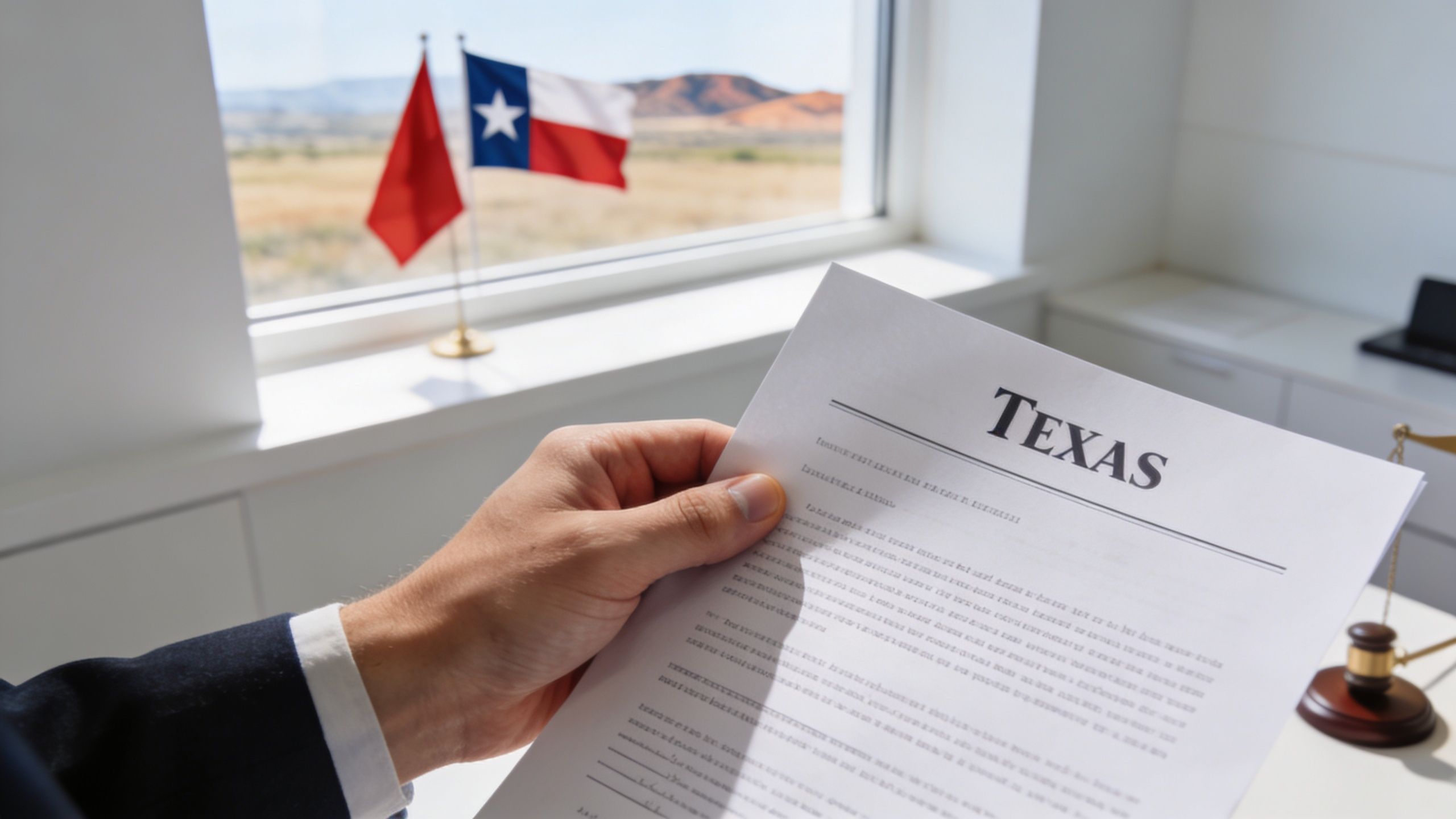
Under Texas Civil Practice & Remedies Code § 16.003, the statute of limitations for most personal injury claims is two years from the date of the injury, and missing that deadline means courts will dismiss the case outright, no matter how strong it may be, as explained in this summary of Texas personal injury filing deadlines.
The legal deadline is different from the practical deadline
Two years sounds like a long time when you're recovering. It isn't. Medical treatment takes time. Records take time. Investigation takes time. If a case needs suit preparation, witness development, or expert review, waiting until the deadline is close can put enormous pressure on the claim.
There is also a difference between having time to file and having time to build a strong case. Those are not the same thing.
If you want a broader overview of state-specific PI claim rules, it's helpful to compare how deadlines vary by jurisdiction. But for Texas claims, the safest approach is to get advice early and treat the calendar as fixed, because it is.
Key Personal Injury Deadlines in Texas
| Claim Type | Filing Deadline |
|---|---|
| Most Texas personal injury claims | Two years from the date of injury |
| Most Texas wrongful death claims | Generally two years |
For a closer look at timing issues under Texas law, see this guide on the Texas personal injury statute of limitations.
Government claims can move faster than you expect
When a government vehicle or public entity is involved, the notice process may arrive much sooner than expected. The exact timing depends on the facts and the entity involved, so this is not a wait-and-see situation.
A city bus collision in Austin or a crash involving a county vehicle near Houston can trigger notice issues before an ordinary claim would. That doesn't mean you should panic. It means you should act.
Missing a deadline doesn't just weaken a case. It can end it.
The right move after any substantial accident is to preserve your options while they're still available.
Why Early Action Preserves Crucial Evidence
The legal deadline gets attention, but the evidence deadline is often much shorter. In many cases, the most valuable proof starts disappearing almost immediately.
Texas trial attorneys note that vehicle black box data often overwrites after 30 to 60 days, physical evidence such as skid marks can disappear, and early hiring within 72 hours can make a major difference in preserving proof for reconstruction, according to this discussion of early evidence preservation after a Texas crash.

Evidence doesn't wait for you to feel better
After a crash, people often focus on treatment first and assume the facts will still be there later. Sometimes they won't. Tow yards move vehicles. surveillance footage gets recorded over. Witnesses become harder to reach. A truck's onboard data may not stay available for long.
In a serious truck case, early legal action may include sending preservation demands so critical evidence isn't lost. In a city intersection crash, it may mean securing nearby camera footage before the recording cycle erases it. In a wrongful death case, it may mean protecting the physical evidence needed to explain how the collision happened.
If you've never dealt with this before, one term you may hear is spoliation of evidence in Texas injury cases. That refers to the loss or destruction of material evidence. It can become a major issue if nobody acts quickly.
What early legal work actually looks like
The first phase of a strong case is not courtroom drama. It's disciplined evidence control.
- Scene evidence: photos, roadway conditions, debris patterns, and damage documentation.
- Vehicle evidence: event data, damage mapping, and preservation of the vehicles before repair or disposal.
- Witness evidence: prompt statements while memories are still fresh.
- Paper evidence: police reports, medical records, employment records, and insurance documents.
Some of the most important work in a personal injury case happens before a lawsuit is ever filed.
That is why early legal help is a protective move. It keeps the truth from slipping away while you're trying to recover.
How Our Lawyers Maximize Your Recovery
The insurance company starts shaping the claim fast. Sometimes that happens while you are still in pain, missing work, and trying to figure out which doctor to see next. A lawyer's job is to stop that process from tilting against you, then build the case in a way that shows the full cost of what happened.
An insurer usually has two early goals. Limit what it pays, and get you talking before you know the value of your case. Hiring counsel changes that immediately. Calls go through your legal team. Requests for statements get controlled. Settlement pressure gets pushed back until the medical picture and financial losses are clear.
In many Texas cases, recovery turns on disciplined work outside the courtroom. Trial preparation matters because adjusters pay closer attention when they know the claim has been investigated carefully, documented fully, and prepared as if it may need to be presented to a jury. That practical point is discussed in this overview of how Texas injury cases settle and why trial readiness matters.

Where recovery is often won or lost
A strong case starts with control. If the insurer gets a vague recorded statement, incomplete medical history, or a quick release before future treatment is known, the claim can lose value early.
I see this after Texas highway crashes, workplace injuries, and serious falls. A person may be trying to cooperate, but the carrier is already testing defenses such as prior injuries, delayed treatment, shared fault, or "you seem to be getting better." Good legal representation cuts off those tactics before they harden into the insurer's position.
What our lawyers do that changes the value of a case
We build the claim from independent proof
The insurer's file is not designed to tell your story in a full and fair way. Our job is to gather the records ourselves, identify every source of insurance coverage, examine liability facts, and connect the evidence to your losses.
That can mean showing why a rear-end collision caused more than short-term neck pain. It can mean proving a trucking company bears responsibility beyond the driver. It can mean documenting how a fatal crash changed a family's finances and daily life, not just listing funeral expenses.
We present the medical evidence the way the case will actually be judged
Medical treatment does not speak for itself. Records have to be organized and explained. Gaps in treatment need context. Work restrictions, pain levels, future procedures, and long-term limitations need to be tied to the claim in a clear way.
That matters most in cases with surgery, permanent impairment, chronic pain, traumatic brain injury, or reduced earning capacity. The largest losses often come later, after the first emergency room visit is long over.
We stop pressure tactics that lead to cheap settlements
Once a lawyer steps in, the insurer usually loses direct access to the injured person. That is more important than many people realize.
It helps prevent:
- recorded statements taken before symptoms are fully understood
- broad medical authorizations that invite fishing through unrelated history
- fast settlement offers made before wage loss and future care are known
- language that minimizes pain, treatment, or daily limitations
Those tactics work best when someone is overwhelmed. Representation removes that advantage.
Habits that usually help a case, and mistakes that usually hurt it
Certain patterns show up again and again.
What helps:
- Steady medical follow-through: missed care gives the insurer room to argue the injury was minor
- One point of communication: legal counsel handles the adjuster, which reduces inconsistent statements
- A full damages review: the claim should include lost income, future treatment, out-of-pocket costs, and the ways the injury changed daily life
- Preparation for litigation: even if the case resolves without trial, serious preparation affects negotiations
What hurts:
- Signing a release too soon: you may be closing the case before the diagnosis is complete
- Talking casually with the adjuster: ordinary comments can be framed as proof you were not badly hurt
- Letting the insurer define the timeline: delay can benefit the carrier if it weakens documentation
- Focusing only on current bills: many serious Texas injury cases involve losses that do not show up in the first few weeks
Why the fee structure matters
A lot of injured people wait because they assume hiring counsel means paying large fees up front. Personal injury cases usually do not work that way. If you want to understand the cost issue before you call, this explanation of how contingency fees work in Texas personal injury cases lays it out clearly.
That arrangement gives people access to legal help while they are already dealing with medical bills, missed paychecks, and pressure from the insurance company.
Taking the First Step Your Free Consultation
The hardest part for many people is making the first call. Not because they don't need help, but because they're exhausted, worried about cost, or unsure whether their case is serious enough.
A free consultation solves that problem. It's a chance to ask direct questions, understand your options, and find out what should happen next. You don't need to walk into that conversation with everything organized perfectly. You only need the basic facts and a willingness to ask for guidance.
What to bring to that first conversation
You don't need a full case file. Start with what you have.
- Accident details: date, location, vehicles involved, and what happened as you remember it.
- Medical information: where you were treated and what symptoms you're dealing with now.
- Insurance documents: your policy, the other driver's information, and any letters or emails you've received.
- Photos or reports: if you have them, bring them. If not, don't let that stop you from calling.
Why this step brings relief
Good legal advice should reduce pressure, not increase it. You should leave a consultation with a clearer understanding of your rights, your risks, and the next practical move.
If you're concerned about cost, this explanation of how contingency fees work in Texas personal injury cases can help answer that question before you call.
The right consultation doesn't push you. It gives you clarity when everything else feels unsettled.
Recovery after a serious accident is physical, emotional, and financial. You don't have to solve all of it today. You do need to protect yourself before an insurer's early tactics turn temporary confusion into a lasting loss. Help is available, and the first step is often much easier than people fear.
If you were hurt in a crash and need answers now, schedule a free consultation with Law Office of Bryan Fagan, PLLC. Our team helps Texans pursue fair compensation after car wrecks, truck collisions, catastrophic injuries, uninsured driver crashes, and wrongful death cases. You can get clear guidance, confidential advice, and a plan for what to do next. Recovery is possible, and you don't have to carry this alone.