A serious accident can change your life in seconds, but you don’t have to face it alone.
If you’re reading this after a crash, you may be dealing with pain, confusion, missed work, vehicle damage, and calls from insurance adjusters before you’ve even had time to breathe. That’s normal. A car, truck, or motorcycle wreck can leave you with urgent questions about medical bills, fault, and whether you can recover compensation under Texas law.
At the Law Office of Bryan Fagan, PLLC, we know how overwhelming those first days can feel. Texas injury claims move fast. Evidence disappears, vehicles get repaired, witnesses become hard to reach, and insurers start building their side of the story right away. The sooner you understand the different types of car accidents and how liability works, the better you can protect yourself.
This guide gives you a practical breakdown of common crash types, what usually causes them, what evidence matters, and what injured Texans should do next. It also helps you think through legal issues that often get missed, including shared fault, uninsured and underinsured motorist coverage, and the deadlines that apply to injury and wrongful death claims.
If you’re also trying to evaluate a used vehicle after a collision history concern, this guide on how to determine if a car has been in a crash may help with the vehicle side of the picture.
You are not just dealing with a traffic problem. You may be dealing with a serious personal injury case. Whether the wreck happened on a Houston freeway, at a Dallas intersection, on an Austin frontage road, or near a San Antonio neighborhood street, the legal questions are real and the stakes are personal.
1. Rear-End Collisions
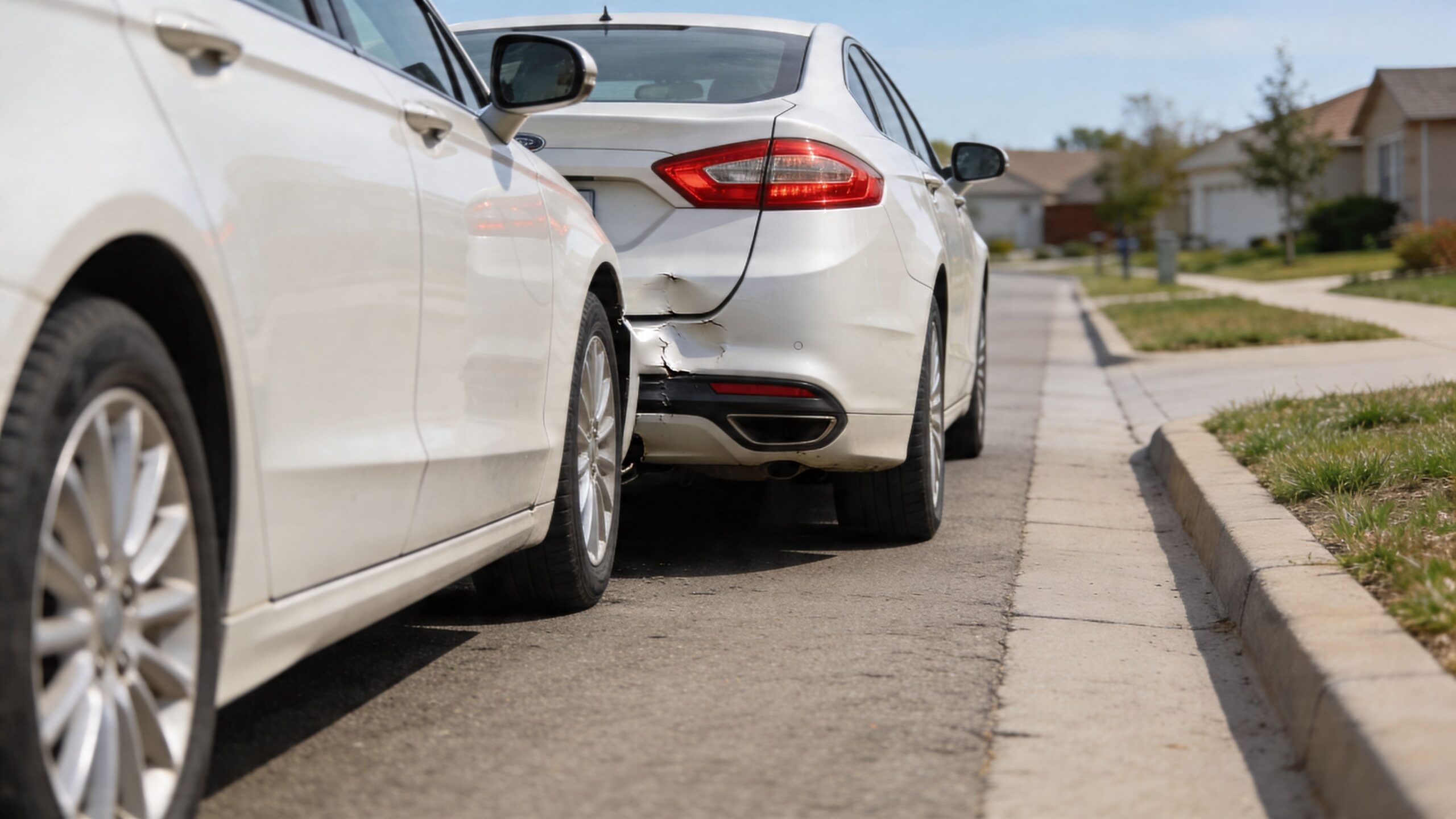
Rear-end crashes happen in every part of Texas. A driver looks down at a phone on I-610, traffic stops ahead, and the next moment another car is pushed into the back of yours. These wrecks are often called minor, but that label can be misleading.
Neck injuries, back injuries, aggravation of prior spine problems, shoulder injuries, and concussions can all follow a rear-end impact. In lower-speed crashes, the vehicle damage may look limited while the physical symptoms worsen over the next day or two.
What usually matters in these cases
Texas follows a fault-based system. That means the driver who caused the crash is generally responsible for the damage. In many rear-end cases, the trailing driver faces the strongest blame because drivers are expected to keep a safe following distance and stay alert.
Still, these claims aren’t automatic wins. Insurance companies often argue that the lead driver stopped suddenly, had nonworking brake lights, or had injuries that existed before the wreck. That’s why early documentation matters.
- Get checked quickly: Prompt medical care helps connect your symptoms to the collision.
- Preserve the vehicle damage: Photos of bumper damage, trunk intrusion, and seat position can become important later.
- Watch your statements: A casual “I’m okay” at the scene may show up in the claim file.
Practical rule: If your pain starts the same day or the day after the wreck, don’t wait for it to become unbearable before getting care.
After a Houston freeway crash, a common problem is delayed treatment because the injured person hopes soreness will pass. Insurers use that gap to argue the injury wasn’t serious. What works better is consistent treatment, clear reporting of symptoms, and avoiding large gaps in care unless your doctor recommends discharge.
Texas also uses modified comparative responsibility. If you’re found more than half responsible, you usually can’t recover damages. In a rear-end case, that issue may come up if several vehicles were involved or if there’s a dispute about how the chain reaction started. A Texas personal injury lawyer can help sort out those fault arguments before the insurance company hardens its position.
2. T-Bone Side-Impact Collisions
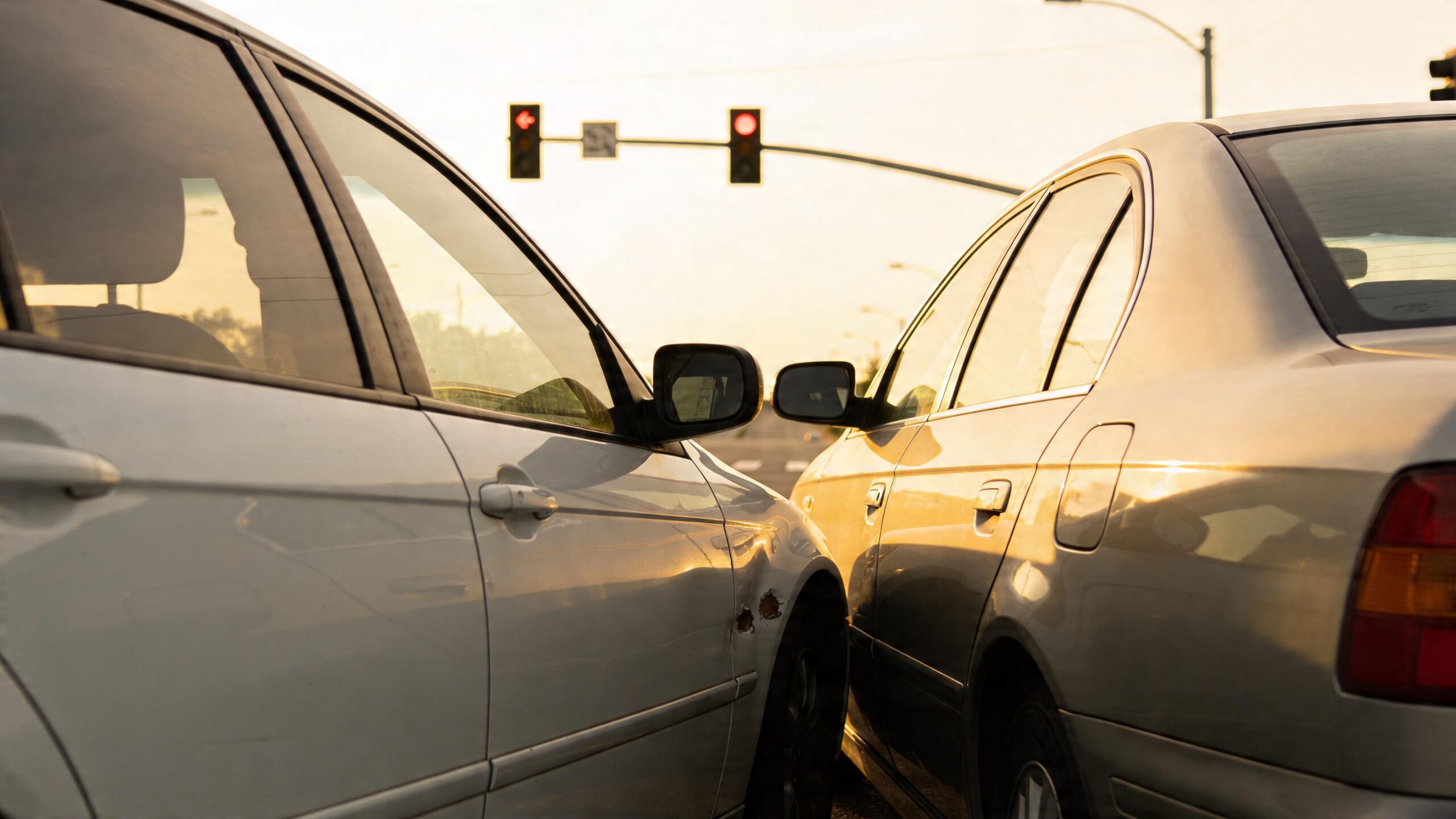
A driver enters an intersection on a normal trip through Houston or Fort Worth. Seconds later, another vehicle strikes the driver-side door. These are some of the hardest wrecks to walk away from because there is far less metal, space, and energy absorption on the side of a passenger vehicle than at the front.
They also create some of the most disputed liability claims. Intersection accidents make up 40% of all car crashes in the United States, and side-impact collisions comprise 13% of all car accidents. Those numbers fit what injury lawyers see in practice. A large share of serious side-impact cases starts with a split-second dispute over who had the right of way.
Why these cases turn into fault fights
In a Texas T-bone case, the key question is usually simple: who lawfully entered the intersection first? Proving that answer is not always simple.
One driver says the light was green. The other says the same. By the time the insurers start calling, nearby video may already be gone, witnesses may be harder to find, and the vehicles may be on the way to a salvage yard.
The strongest side-impact claims usually focus on specific, provable facts:
- Failure to yield: A driver turned left without a safe opening.
- Running a light or stop sign: The striking driver entered against traffic control.
- No braking or late braking: The physical evidence suggests distraction, speeding, or inattention.
I pay close attention to impact location in these cases. Damage centered on the front quarter panel, door, or B-pillar can help show vehicle paths and timing in a way that early insurance statements often do not. Intersection design matters too. Short yellow-light timing, obstructed sightlines, offset turn lanes, and faded markings can all become part of the liability analysis.
Texas law also makes comparative fault a real issue here. If the insurance company can shift more than 50% of the blame onto you, you usually cannot recover damages. In side-impact crashes, they often argue you were speeding into the intersection, tried to beat the light, or failed to keep a proper lookout. That is why early scene work matters. Camera footage, event data, vehicle damage, and witness statements can decide whether the claim is paid fairly or discounted.
Some T-bone collisions raise more than a negligence claim. If there is severe door intrusion, seat failure, or a side airbag that did not deploy as expected, the case may require a closer look at crashworthiness and possible product-defect issues. That does not apply in every case, but it should not be overlooked in a catastrophic injury or fatality claim.
Time matters here for another reason. In Texas, the statute of limitations usually gives injured people a limited window to file suit, and wrongful death claims are subject to similar deadlines. Waiting can damage a case well before the filing deadline because surveillance footage may be erased and physical evidence may disappear. If the crash killed a family member, speaking with a wrongful death lawyer early can help preserve evidence and clarify what damages may be available under Texas law.
One more practical point. If the at-fault driver has little insurance or none at all, uninsured or underinsured motorist coverage may become a major part of the claim. Many Texans do not realize how important UM/UIM coverage is until after an intersection wreck leaves them with hospital bills, missed work, and an insurer looking for reasons to pay less.
3. Head-On Collisions
Head-on crashes are among the most violent collisions on the road. They often happen when a driver crosses the center line, drives the wrong way, falls asleep, becomes impaired, or tries to pass without enough room.
On rural Texas roads, these cases can be especially devastating because speeds are higher and emergency response may take longer. A seemingly ordinary drive home can turn into a life-changing event in seconds.
Why vehicle size and crashworthiness matter
In real-world frontal collisions, vehicle design and size can shape the injuries in a major way. A published crash-data analysis found that restrained drivers in small cars suffer severe injuries and fatalities at twice the rate of those in large cars in frontal crashes. The same analysis reported that drivers in vehicles with “good” frontal offset crash test ratings were 74% less likely to die in head-on collisions with similar vehicles, after adjusting for other factors.
Those facts matter in two ways. First, they help explain why head-on cases often produce catastrophic injury claims. Second, they can affect how a lawyer evaluates whether the case involves only driver negligence or also a potential crashworthiness issue involving the vehicle itself.
What helps a head-on claim
A strong head-on case usually starts with evidence that locks down lane position and impact dynamics.
- Scene evidence: Gouge marks, debris fields, and rest positions often show which vehicle crossed over.
- Electronic data: Event data recorders may help show braking, speed changes, or steering input.
- Medical proof: Catastrophic injuries need careful documentation, including future care needs and work limitations.
After a two-lane highway crash outside a small Texas town, families often assume the police report settles everything. It helps, but it usually isn’t enough by itself in a serious injury or wrongful death case. Defense insurers may still argue a sudden emergency, road condition issue, or shared fault.
If you lost a loved one in this kind of wreck, a wrongful death claim may exist alongside a survival claim for the harm the person suffered before death. Those are separate legal concepts under Texas law, and they should be evaluated carefully. In such situations, a Houston car accident attorney or Texas personal injury lawyer can coordinate the medical, reconstruction, and financial evidence needed to present the full value of the case.
4. Commercial Truck and Underride Accidents
A crash with an 18-wheeler is not just a bigger car accident. It’s usually a more complex case from the first day. The trucking company may send investigators immediately. The insurer may move fast to control records, inspect equipment, and shape the narrative before you’ve even left the hospital.
Truck crashes often involve issues that don’t exist in an ordinary passenger vehicle case. Driver log compliance, dispatch pressure, maintenance records, trailer loading, company training, onboard systems, and federal safety rules can all matter. In an underride crash, the injuries are often catastrophic or fatal because a smaller vehicle can go beneath the trailer structure.
What makes truck claims different
A truck claim may involve several potentially responsible parties, including the driver, motor carrier, maintenance contractor, shipper, or another company tied to the trailer. That means the legal strategy has to be broader from the start.
If you want a deeper look at valuation issues in these cases, this discussion of the average settlement for truck accident cases explains why outcomes depend so heavily on injury severity, available coverage, and liability proof.
Trucking cases reward speed and precision. Sending preservation notices early can make the difference between getting critical records and losing them.
After a Houston port-area truck wreck or a crash on I-10, what works is immediate evidence preservation. What doesn’t work is assuming the police report and a few scene photos will be enough. A truck crash lawyer Houston families call after a severe wreck should be asking for driver qualification files, inspection records, electronic logging data, dispatch records, and any onboard video before those materials become harder to obtain.
Texas comparative fault rules still apply in truck cases. So does the statute of limitations. But in practice, the bigger issue is often preserving evidence and identifying every insurance policy that may respond. In a fatal truck collision, families may also need to explore a wrongful death claim and a separate claim for the decedent’s conscious pain, medical expenses, and other losses before death.
5. Rollover Accidents
Rollovers are frightening because the violence doesn’t stop at the first point of impact. The vehicle may tip, slide, crush the roofline, or eject an occupant. Injuries often involve the head, neck, spine, and multiple body systems at once.
Many rollover victims don’t remember the sequence clearly. That’s common. The body experiences rapid movement, disorientation, and blunt trauma, and the vehicle may come to rest far from the initial trigger.
SUVs and pickup-related concerns
Vehicle type can matter a lot in rollover and high-center-of-gravity cases. One recent trend is hard to ignore. From 2013 to 2022, the number of SUVs involved in fatal crashes increased by 106.6%, the largest increase of any vehicle type. The same source notes that this increase far outpaced the growth in fatal-crash involvement for pickup trucks and motorcycles during that period.
That doesn’t mean every SUV is unsafe or that every rollover involves a defect. It does mean lawyers and families should look closely at vehicle type, roof crush, restraint performance, ejection evidence, and whether a trip event, evasive maneuver, or another driver’s conduct started the chain of events.
Building the case after a rollover
After a single-vehicle rollover near a rural shoulder or median, insurers often push a simple conclusion. They blame speed, inattention, or overcorrection by the injured driver. Sometimes that’s accurate. Sometimes it ignores the trigger, such as a sideswipe, a road hazard, or a mechanical problem.
Helpful evidence often includes:
- Occupant restraint evidence: Seat belt condition and whether ejection occurred.
- Vehicle inspection: Roof deformation, tire condition, and steering or suspension issues.
- Scene mapping: Yaw marks, gouges, and evidence of a trip mechanism.
A Texas personal injury lawyer should also evaluate uninsured and underinsured motorist coverage in rollover cases. If another driver caused you to leave the roadway and never stopped, or if the at-fault driver had too little coverage, your own policy may become a key source of recovery.
6. Multi-Vehicle Pile-Ups
Pile-ups are among the hardest types of car accidents to untangle. One negligent act may start the disaster, but several separate impacts follow. On highways like I-45 or I-10, fog, rain, smoke, traffic backups, and speed differences can turn a single crash into a chain reaction.
Victims often ask the same question. Who hit me first, and who is legally responsible? The answer isn’t always obvious from memory alone, especially when several impacts happened in seconds.
Liability is usually layered
Texas law allows fault to be divided among multiple parties. In a pile-up, that may include the driver who caused the initial wreck, the driver who failed to slow down in time, a commercial driver who followed too closely, or even a road contractor if a work zone was poorly controlled.
That doesn’t mean every involved driver is equally responsible. A careful reconstruction often shows distinct phases of impact and separate negligent decisions.
- Initial collision: Who triggered the hazard?
- Secondary impacts: Who failed to react reasonably after the first event?
- Damage allocation: Which injuries came from which impact, if that can be separated?
After a major Houston-area freeway pile-up, injured people sometimes make the mistake of speaking with several insurers before they understand the sequence. That can lock them into incomplete versions of events. It’s usually better to gather your records, identify every involved vehicle, and let counsel coordinate the liability picture.
In a chain-reaction crash, “I don’t know yet” is often the most honest answer at the start. Early certainty can backfire if the evidence later shows a different sequence.
These are also strong candidates for underinsured motorist issues because one policy may not be enough when several people are badly hurt. If your injuries are severe, especially with long-term disability, a catastrophic injury claim may need to account for future treatment, wage loss, and daily limitations, not just the first round of ER bills.
7. Sideswipe Accidents
A sideswipe often starts with something small. A driver drifts during a lane change on Loop 1604. A pickup merges without checking the blind spot on I-35. Two vehicles touch door to fender, and one of them suddenly loses control.
That’s why these wrecks shouldn’t be brushed off. The first contact may seem light, but significant damage can come seconds later when a vehicle spins, strikes a barrier, or gets pushed into another lane.
What evidence proves a sideswipe case
Sideswipe claims are often credibility battles. Drivers blame each other. Each insists they held the lane. Without good evidence, the insurer may try to split fault or deny liability altogether.
Useful proof can include paint transfer, scrape height, mirror damage, dashcam footage, lane-position witnesses, and event data from newer vehicles. The pattern of damage usually matters more than broad statements like “they came out of nowhere.”
In one common Texas scenario, a driver gets forced toward the shoulder by a commercial vehicle that never fully stops. That may create both a standard negligence claim and, if the truck leaves, a hit-and-run uninsured motorist claim under your own policy.
Texas fault issues in lane-change wrecks
Texas comparative responsibility can become central here. If the evidence shows both drivers were moving unpredictably, both may share fault. That doesn’t automatically defeat the claim, but it can reduce recovery and complicate settlement.
What works in sideswipe cases is fast, detailed documentation:
- Photograph the side damage before repairs
- Identify independent witnesses, not just passengers
- Check nearby business or traffic camera angles quickly
What doesn’t work is relying on memory weeks later. Lane position, traffic flow, and point of contact are easier to prove right away than after the vehicles are repaired and the scene is gone. A Houston car accident attorney can often see patterns in these cases that a general claims process misses, especially when the sideswipe led to a secondary rollover or barrier impact.
8. Pedestrian and Bicyclist Collisions
When a car hits a pedestrian or cyclist, the human body absorbs the force directly. Even at city-street speeds, the injuries can be life-changing. Broken bones, head trauma, internal injuries, road rash, and permanent mobility problems are common issues in these cases.
Many of these wrecks happen where drivers least expect them. Crosswalks, neighborhood exits, school areas, apartment entrances, parking lot lanes, and right-turn movements are all danger points. A driver says, “I never saw them.” For the victim, that usually means the driver wasn’t paying enough attention.
If you want a focused explanation of claim value and damages, this page on pedestrian hit by car compensation is a useful next read.
Special legal issues for vulnerable road users
Pedestrian and bicycle cases often turn on right-of-way, visibility, and roadway behavior. But insurers frequently try to shift blame onto the injured person by arguing dark clothing, mid-block crossing, lack of lighting, or sudden movement.
That makes early investigation especially important. A nearby storefront camera, body-worn officer footage, bike damage pattern, helmet damage, and EMS observations may all help establish what happened.
After an evening crash in Houston or Dallas, families often focus first on emergency care and don’t realize the roadway evidence is already fading. The vehicle should also be inspected if possible. Hood dents, windshield damage, side mirror breakage, and onboard data can help locate the point of impact and support the pedestrian or cyclist’s account.
When a driver says they “didn’t see” a pedestrian, the legal question becomes whether they should have seen them.
These cases also overlap with serious injury and wrongful death law more often than standard car-to-car claims. If the victim was a child, an older adult, or a worker on foot, the damages analysis may be more involved. A Texas personal injury lawyer should examine medical treatment, functional limitations, future care, and all available insurance, including UM/UIM if the driver fled or lacked adequate coverage.
9. Drunk or Impaired Driving Accidents
Impaired driving cases carry a different emotional weight. The injuries may look like any other crash on paper, but the underlying conduct often involves a conscious choice to drive after drinking or using drugs.
For injured Texans and grieving families, that matters. It affects how the case is investigated, how the insurer evaluates exposure, and sometimes whether a third party may also share legal responsibility.
More than a claim against the driver
A drunk driving crash can create a claim against the impaired driver, but that may not be the whole picture. In some situations, a bar, restaurant, or provider of alcohol may also need to be evaluated under Texas law. Understanding Texas dram shop laws is important in such cases.
That doesn’t mean every alcohol-related wreck creates a valid dram shop case. The facts have to support it. But when the evidence does point that way, ignoring the issue can leave significant compensation off the table.
Practical steps after an impaired-driving crash
Criminal charges and civil injury claims are separate. A DWI arrest doesn’t automatically prove the full value of your injury case, and a weak criminal outcome doesn’t necessarily destroy a civil claim. The evidence still has to be built carefully.
Helpful steps often include:
- Requesting crash and arrest records
- Preserving bodycam or dashcam footage
- Tracking all medical care and wage loss from day one
After a late-night wreck in Austin or San Antonio, victims sometimes wait for the criminal case to finish before speaking with a lawyer. That delay can hurt the civil case. Surveillance, witness memory, and alcohol-service evidence may be harder to obtain later.
If the crash caused a fatality, families may need both a wrongful death lawyer Texas residents can turn to and a litigation strategy that addresses punitive issues where the facts support them. Even then, the day-to-day work still comes back to proof: treatment records, crash reconstruction, financial losses, and clear evidence of fault.
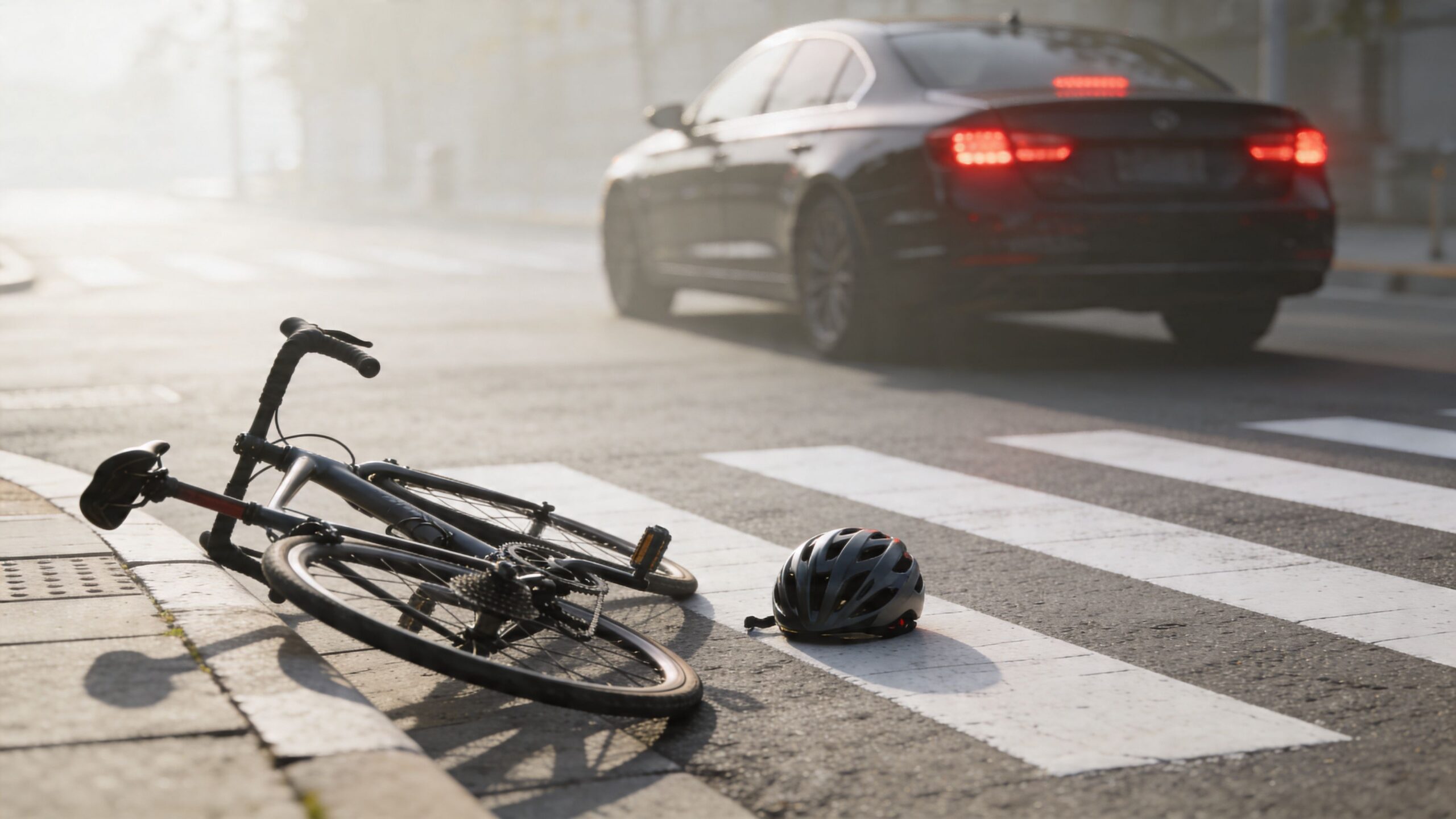
10. Hit-and-Run Accidents
A hit-and-run leaves victims with two injuries at once. There’s the physical harm from the crash, and then there’s the shock of realizing the at-fault driver chose to disappear instead of helping.
These cases happen after intersection collisions, freeway lane-change crashes, parking lot impacts, and pedestrian strikes. Sometimes witnesses catch a plate number. Sometimes all you have is a partial description and debris left behind.
Your own insurance may matter more than you think
When the driver can’t be identified, uninsured motorist coverage may become the most important path to recovery. Many Texas drivers don’t realize that UM/UIM coverage can apply in hit-and-run situations if the facts meet policy requirements.
That’s why reporting steps matter. Prompt police reporting, scene photos, witness information, and immediate medical care help show the claim is real and connected to the event. Delay gives the insurer room to argue uncertainty.
After a bicycle hit-and-run or a nighttime freeway impact in Houston, families often focus on finding the driver first. That’s understandable, but don’t overlook your insurance deadlines and notice requirements. Those can matter even if police later identify the fleeing driver.
What to do right away
A few actions can make a major difference:
- Call law enforcement immediately
- Get witness names before they leave
- Photograph debris, paint transfer, and vehicle parts
- Notify your insurer carefully and truthfully
Texas comparative fault can still come up in hit-and-run cases. So can disputes over whether there was actual vehicle contact or whether the unknown driver caused you to crash without touching your car. Those details are often heavily litigated.
If the insurer treats your own UM claim like an enemy claim, that’s not unusual. Even your own carrier may challenge fault, injury severity, or coverage terms. Legal representation can help level that field, especially in severe injury, pedestrian, and wrongful death cases.
Comparison of 10 Car Accident Types
| Accident Type | Investigation Complexity 🔄 | Resource Requirements ⚡ | Expected Outcomes 📊 | Ideal Use Cases 💡 | Key Advantages ⭐ |
|---|---|---|---|---|---|
| Rear-End Collisions | Low–Medium, legal presumption against rear driver simplifies fault determination. | Moderate, photos, police report, witness info, medical records, dash cam. | Moderate, common soft‑tissue to structural injuries; recoverable damages when timely documented. | Stop‑and‑go traffic, sudden braking, tailgating incidents. | Presumption of fault for rear driver makes liability easier to establish. |
| T‑Bone (Side‑Impact) Collisions | Medium, intersection evidence and light sequencing often required. | Moderate, traffic cam footage, witness statements, vehicle damage photos. | High, often catastrophic injuries with substantial claims for severe harm. | Red‑light or stop‑sign violations at intersections. | Right‑of‑way violations usually point to a clear responsible party. |
| Head‑On Collisions | Medium–High, fault often clear but may need toxicology and reconstruction. | Extensive, police reconstruction, toxicology, black box, witness/cell data. | Very High, high likelihood of catastrophic injury or wrongful death claims. | Wrong‑way driving, unsafe passing, fatigued or impaired drivers. | Clear fault attribution; potential for punitive/gross negligence claims. |
| Commercial Truck & Underride Accidents | Very High, multi‑party liability and federal/regulatory issues increase complexity. | Extensive, EDR (black box), logbooks, maintenance records, spoliation letters, expert testing. | Very High, catastrophic injuries; potential for large settlements/judgments. | 18‑wheelers, underride events, commercial fleet crashes. | Multiple liable defendants and regulatory violations can increase recovery potential. |
| Rollover Accidents | High, causation can involve vehicle dynamics, defects, or third‑party impact. | Extensive, vehicle preservation, maintenance records, recall history, expert inspection. | Very High, severe trauma, ejection, and high fatality risk yield significant claims. | SUVs/high‑center‑of‑gravity vehicles, sharp maneuvers, tripping events. | Possible product‑liability claims against manufacturers in addition to driver fault. |
| Multi‑Vehicle Pile‑Ups | Very High, sequence reconstruction and comparative fault analysis required. | Extensive, scene photos, witness lists, reconstruction experts, full police reports. | High, multiple injured parties; recoveries depend on percentage fault under comparative rules. | Chain‑reaction crashes on highways in low visibility or slick conditions. | Detailed reconstruction can allocate fault across parties for tailored recovery. |
| Sideswipe Accidents | Medium, lane position and paint transfer evidence are often decisive. | Moderate, photos of damage/paint transfer, lane markings, dash cam, witnesses. | Low–Medium, often lower initial damages but can escalate if secondary crashes occur. | Unsafe lane changes, merging errors on multi‑lane roads. | Physical evidence (paint transfer, damage location) can clearly show who left their lane. |
| Pedestrian & Bicyclist Collisions | Medium, crosswalk/signal evidence and vulnerable‑user protections matter. | Moderate–High, scene photos, security footage, medical reports, driver records. | Very High, vulnerable road users often suffer catastrophic injuries and high damages. | Crosswalk incidents, failure to yield, close passes in urban areas. | Strong legal presumptions and special protections for pedestrians/cyclists bolster claims. |
| Drunk or Impaired Driving Accidents | Medium, impairment tests and logs quickly establish culpability. | Moderate, breath/blood test results, police report, witness testimony, dram‑shop evidence. | Very High, punitive damages possible; dram‑shop exposure may increase recovery. | Crashes involving intoxication, especially with evidence of overservice. | Clear proof of impairment often produces strong liability findings and punitive remedies. |
| Hit‑and‑Run Accidents | Medium–High, identification challenges; UM/UIM claims may be needed. | Moderate, scene photos, security footage, eyewitness descriptions, police report, insurance proof (UM/UIM). | Variable, recovery possible via UM/UIM or identified at‑fault driver; emotional/financial toll increases claim value. | When the at‑fault driver flees and cannot be immediately identified. | UM/UIM coverage and prompt evidence collection preserve recovery options even if driver not found. |
You Don't Have to Face This Alone Get the Help You Deserve
Reading about different types of car accidents while you’re trying to recover can feel like a lot. That’s especially true if you’re dealing with pain, medical appointments, car repairs, lost income, or the death of someone you love. But the legal side becomes easier to manage when you break it into the right questions: who caused the crash, what evidence proves it, what insurance is available, and what your injuries will cost you over time.
Texas law gives injured people and families a path to recover damages, but there are important limits and rules. Fault matters. Negligence has to be proved. Comparative responsibility can reduce or even bar recovery if the injured person is found too responsible for what happened. Insurance companies know these rules well, and they use them every day to challenge claims.
That’s why early action matters in nearly every case. After a Houston freeway wreck, a Dallas intersection crash, or a San Antonio pedestrian collision, the first days often shape the entire claim. Photos disappear. Witnesses become hard to find. Vehicles are repaired or totaled. Video footage may be erased. The strongest cases usually come from quick medical treatment, careful documentation, and a legal strategy that starts before the insurer defines the facts for you.
The deadline to file a lawsuit in Texas is also important. For many personal injury and wrongful death claims, waiting too long can destroy the case completely. Even if settlement discussions are happening, that deadline still matters. A lawyer should be tracking it from the beginning, along with any notice issues involving UM/UIM claims, commercial carriers, or employer-related crashes.
Practical help also matters just as much as legal advice. You may need guidance on dealing with adjusters, finding the right specialists, documenting missed work, preserving your damaged vehicle, and understanding whether future treatment should be part of the claim. In serious cases, recovery is not just about one hospital bill. It’s about the full effect this crash has had on your health, your finances, your family, and your future.
For many people, physical treatment is part of that process. If your doctor recommends rehabilitation after a collision, this overview of Auto Accident Physical Therapy offers a practical look at why follow-through can matter.
The Law Office of Bryan Fagan, PLLC handles cases involving car accidents, truck collisions, catastrophic injuries, uninsured and underinsured motorist disputes, and wrongful death claims across Texas. If you need a Houston car accident attorney, a truck crash lawyer Houston victims can call after a severe commercial wreck, or a wrongful death lawyer Texas families can rely on for clear answers, legal help is available.
You don’t have to figure this out alone. You don’t have to let the insurance company decide what your case is worth without a challenge. And you don’t have to wait until everything feels certain before asking questions. If someone else’s negligence caused this crash, you deserve a real chance to pursue compensation and move forward. Recovery takes time, but it is possible, and the right legal support can help you take the next step with clarity.
If you or someone you love was injured in a crash, contact the Law Office of Bryan Fagan, PLLC for a free consultation. You can talk with a Texas personal injury lawyer about your rights, your deadlines, and the best next steps for your case.